
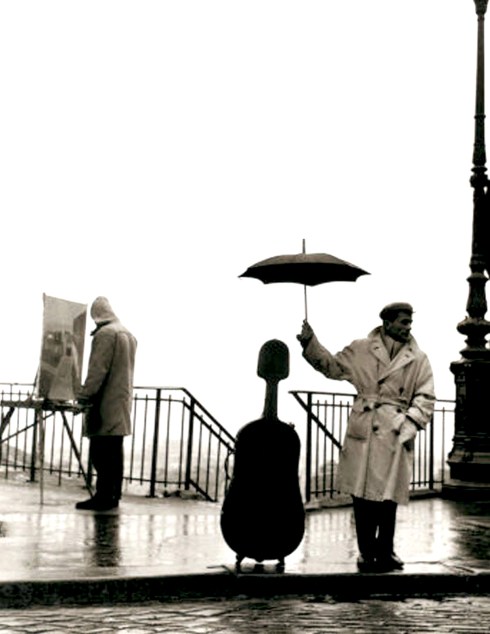
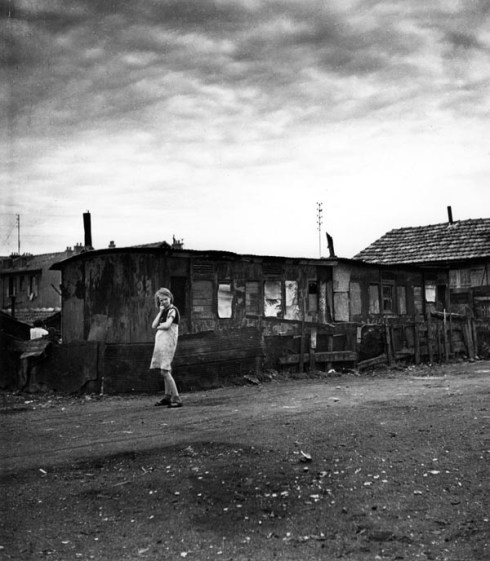
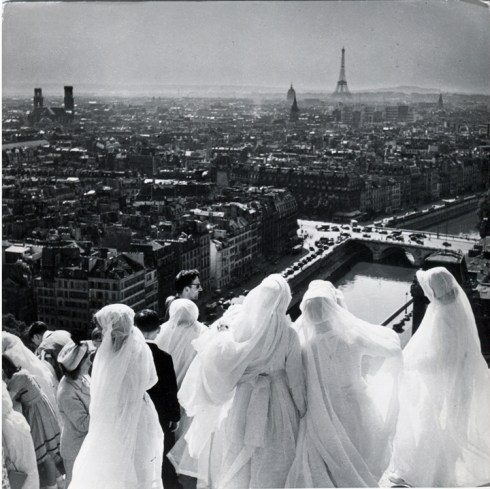
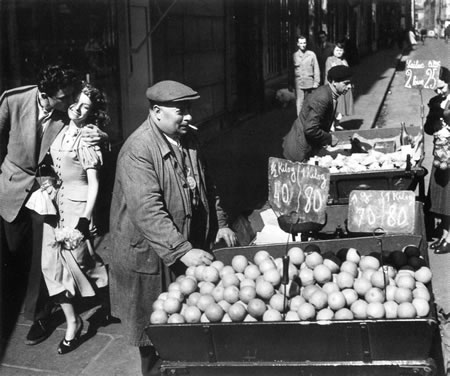
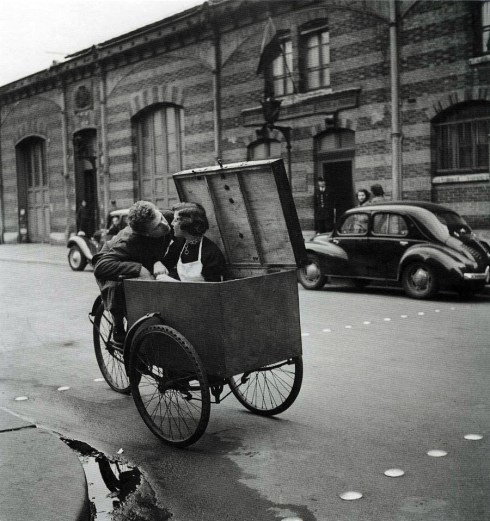
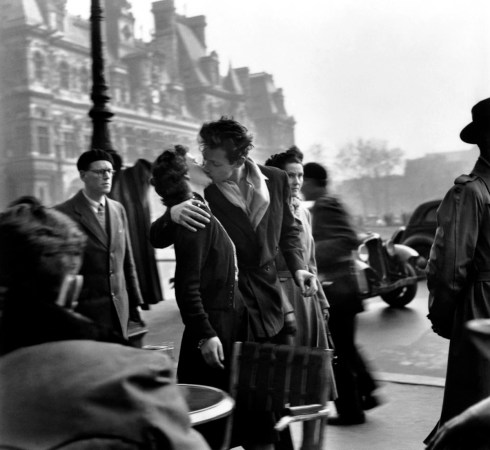
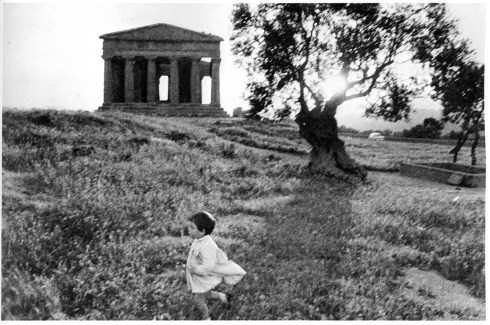
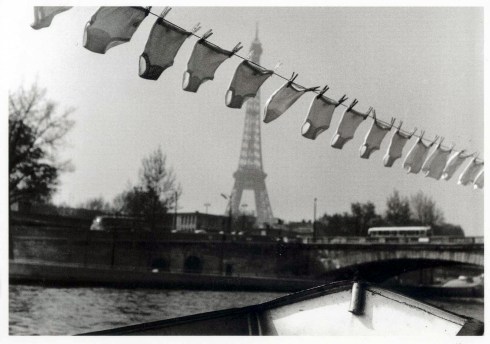
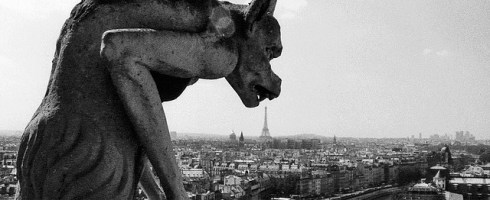
“French photographer. In the 1930s he used a Leica on the streets of Paris; together with Henri Cartier-Bresson he was a pioneer of photojournalism. He is renowned for his 1950 image Le baiser de l’hôtel de ville (Kiss by the Hôtel de Ville), a photo of a couple kissing in the busy streets of Paris. Robert Doisneau was appointed a Chevalier (Knight) of the National Order of the Légion d’honneur in 1984″.

Tag Archives: Photography

Robert Doisneau Photography
9 Aug
Last Meals
6 Aug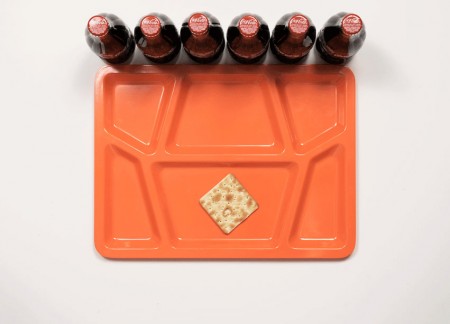
James Reynolds “had the same fascination, and found an actual list of final meals that inmates requested before being put to death. He then photographed them on the standard issue prison lunch trays. They’re incredibly intriguing”.

‘I saw a small list of what a few death row prisoners had chosen for their last meals before their deaths and I wondered what they would look like as a visual image. After all, these meals would be one of the last things these prisoners see before they die.
‘At first I just wanted to see what these meals looked like on the iconic prison tray. I wanted to get the viewer to think, or have an opinion.
‘I’d like to think that the photographs make the viewer think, what thought that is, I am not sure, as I myself had more thoughts the more I looked at them. What would my last meal be? What kind of people were these prisoners? Why did they choose that particular meal? What crime did they commit?
‘The single olive still had its stone. The inmate thought that after being executed and buried, an olive tree—a symbol of peace—would grow from him. It was indeed a very profound thought or idea, but an olive tree has not yet been found on his grave.’
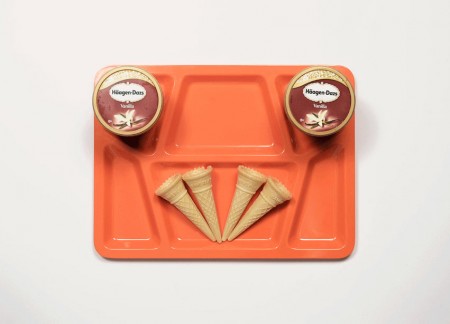

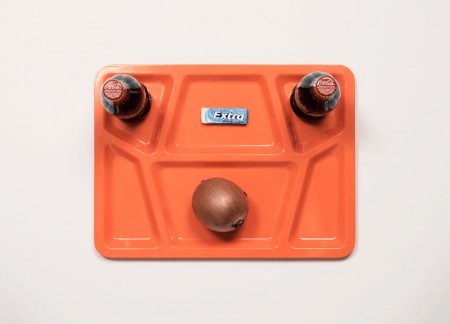
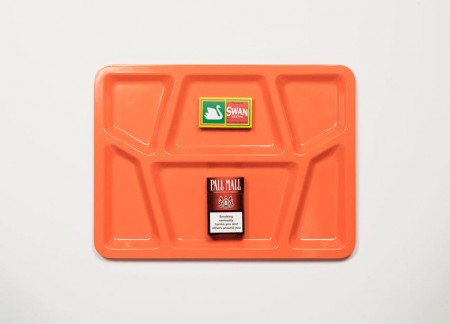

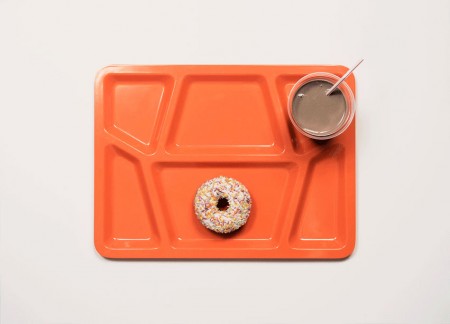

LAST MEALS ON DEATH ROW hmmm… what would you have for your last meal? 😉
Source: Go to public school
Robert Mapplethorpe
28 Jul
People and Flowers
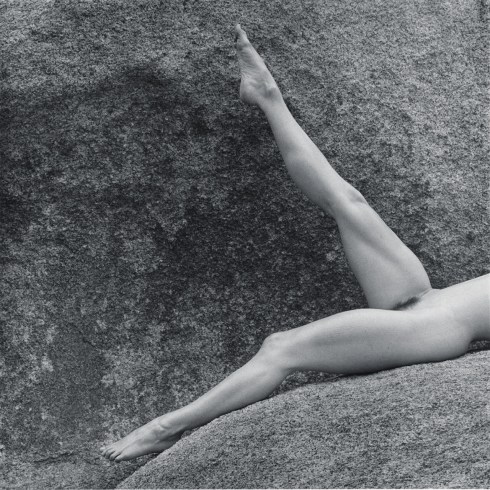
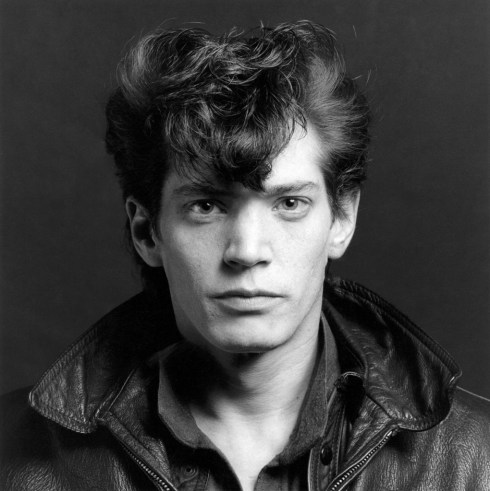
Robert Mapplethorpe was born in 1946 in Floral Park, Queens. Of his childhood he said, “I come from suburban America. It was a very safe environment and it was a good place to come from in that it was a good place to leave.”
In 1963, Mapplethorpe enrolled at Pratt Institute in nearby Brooklyn, where he studied drawing, painting, and sculpture. Influenced by artists such as Joseph Cornell and Marcel Duchamp, he also experimented with various materials in mixed-media collages, including images cut from books and magazines. He acquired a Polaroid camera in 1970 and began producing his own photographs to incorporate into the collages, saying he felt “it was more honest.” That same year he and Patti Smith, whom he had met three years earlier, moved into the Chelsea Hotel.

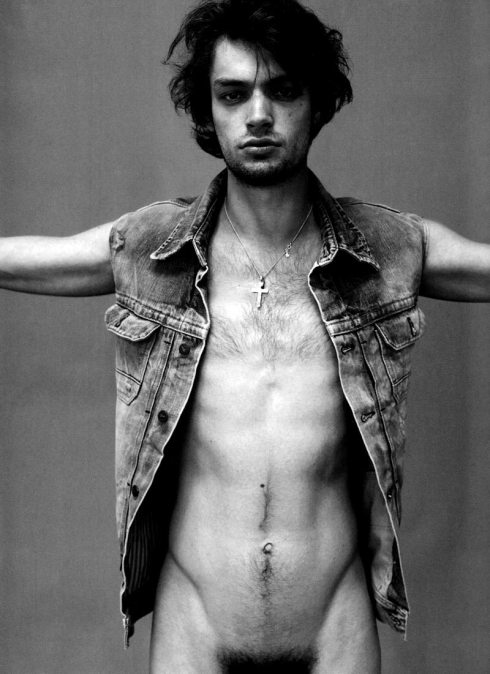
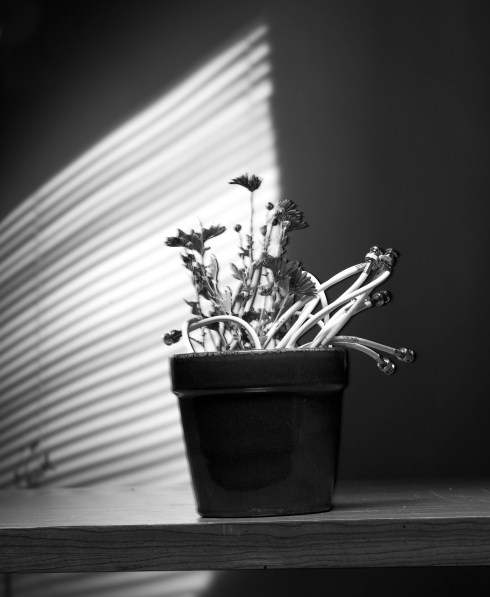
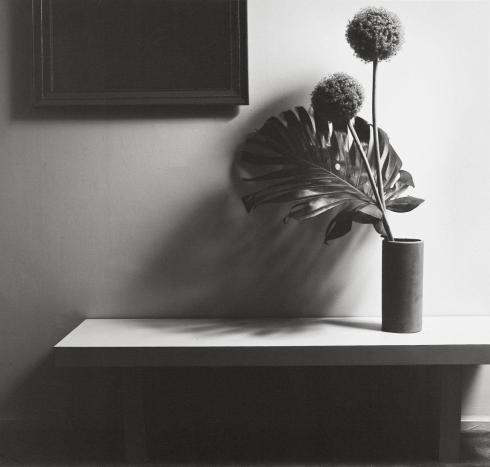
Mapplethorpe met Lisa Lyon, the first World Women’s Bodybuilding Champion, in 1980. Over the next several years they collaborated on a series of portraits and figure studies, a film, and the book, Lady, Lisa Lyon. Throughout the 80s, Mapplethorpe produced a bevy of images that simultaneously challenge and adhere to classical aesthetic standards: stylized compositions of male and female nudes, delicate flower still lifes, and studio portraits of artists and celebrities, to name a few of his preferred genres. He introduced and refined different techniques and formats, including color 20″ x 24″ Polaroids, photogravures, platinum prints on paper and linen, Cibachrome and dye transfer color prints. In 1986, he designed sets for Lucinda Childs’ dance performance, Portraits in Reflection, created a photogravure series for Arthur Rimbaud’s A Season in Hell, and was commissioned by curator Richard Marshall to take portraits of New York artists for the series and book, 50 New York Artists.

That same year, in 1986, he was diagnosed with AIDS. Despite his illness, he accelerated his creative efforts, broadened the scope of his photographic inquiry, and accepted increasingly challenging commissions. The Whitney Museum of American Art mounted his first major American museum retrospective in 1988, one year before his death in 1989.

His vast, provocative, and powerful body of work has established him as one of the most important artists of the twentieth century. Today Mapplethorpe is represented by galleries in North and South America and Europe and his work can be found in the collections of major museums around the world. Beyond the art historical and social significance of his work, his legacy lives on through the work of the Robert Mapplethorpe Foundation. He established the Foundation in 1988 to promote photography, support museums that exhibit photographic art, and to fund medical research in the fight against AIDS and HIV-related infection.



Source:
Shop Room 305

Featured
-

-

Bedford Slims Electronic Cigarettes
The Benefits of Bedford Slims Emulates traditional smoking, without combustion and tar.No smell on clothing or breath.Usable almost anywhere – on the train, in restaurants, bars.Battery lasts for approximately 300 “puffs”.Lithium Ion Rechargeable Batteries increase the life4 pleasant flavours: Tobacco, Menthol, Clove and Dark Roast.30-day return guarantee. Try a Bedford Slims Starter System The Vapourette […]
-

Pencil vs. Camera
Pencil vs. Camera’ by Ben Heine image © Ben Heine ‘Pencil vs. Camera’ by ivory coast-born brussels-based photographer ben heine is a series of images that inject hand-drawn pictures within real-life settings to create a composite effect that is often surreal and highly narrative. Manipulating the backdrop to host added elements such as real-life tetris blocks,floating […]
-

Have a nice day! :)
The ‘corner store’ bag collection by cast of vices the ‘corner store’ bag collection by LA-based jewelry designers cast of vices offers an upscale interpretation of everyday plastic bags. All pieces in the line are composed of lambskin leather and are hand sewn and hand embossed. their designs, however, are replicas of four plastic bag […]
-

Photographic Master -Raghu Rai
Over his 40-year career as one of India’s most respected photographers, Raghu Rai has captured his native land in good times and bad, richly depicting the increasing complexity of living in what is now one of the world’s most rapidly developing countries. Equally adept at humorously evoking the day-to-day rituals and activities of Indian life […]
 lovevoll.com