
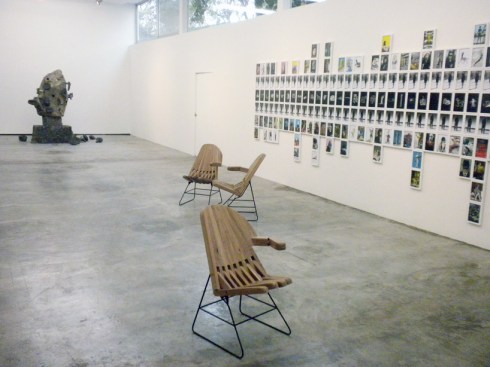
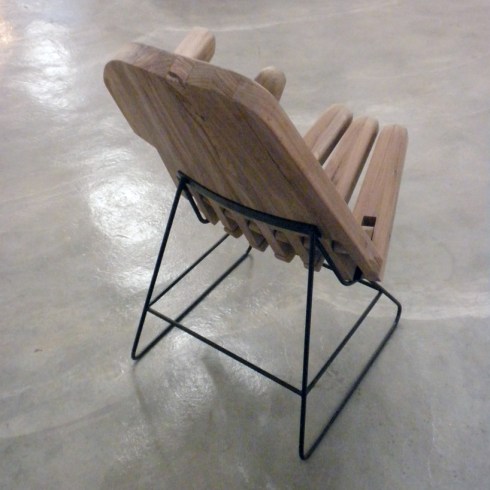
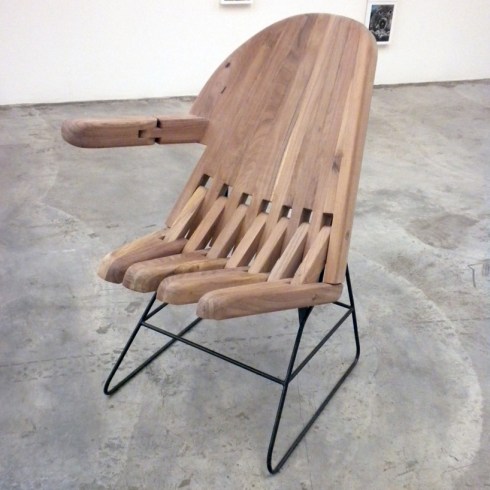
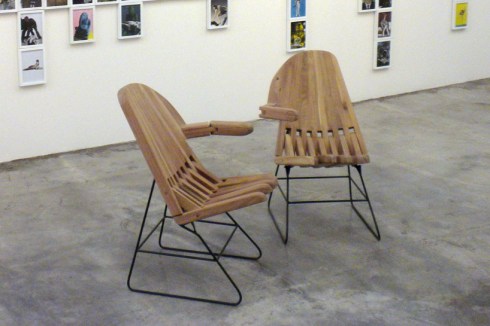
by Pedro Reyes

Rate this:
Tags: CHAIR, Home, Pedro Reyes
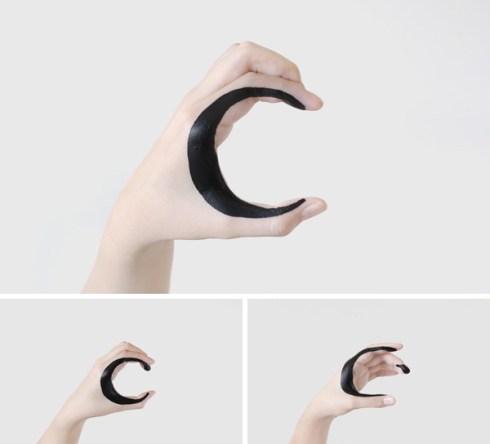
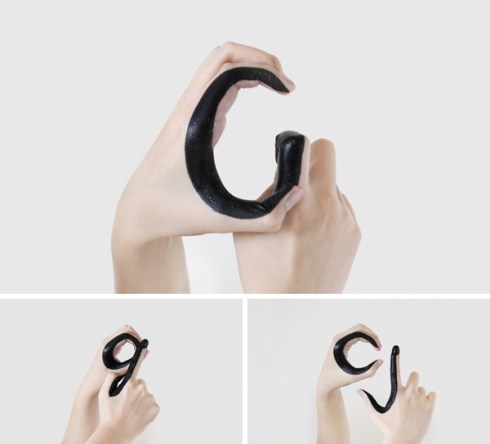
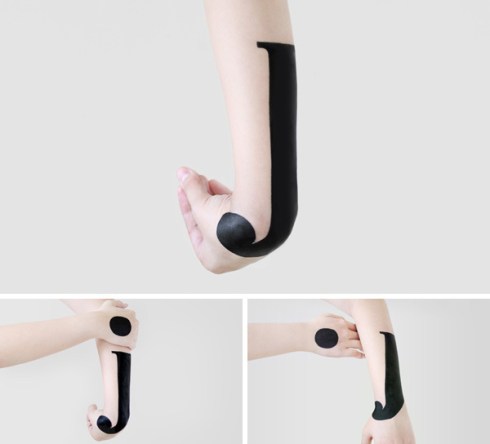
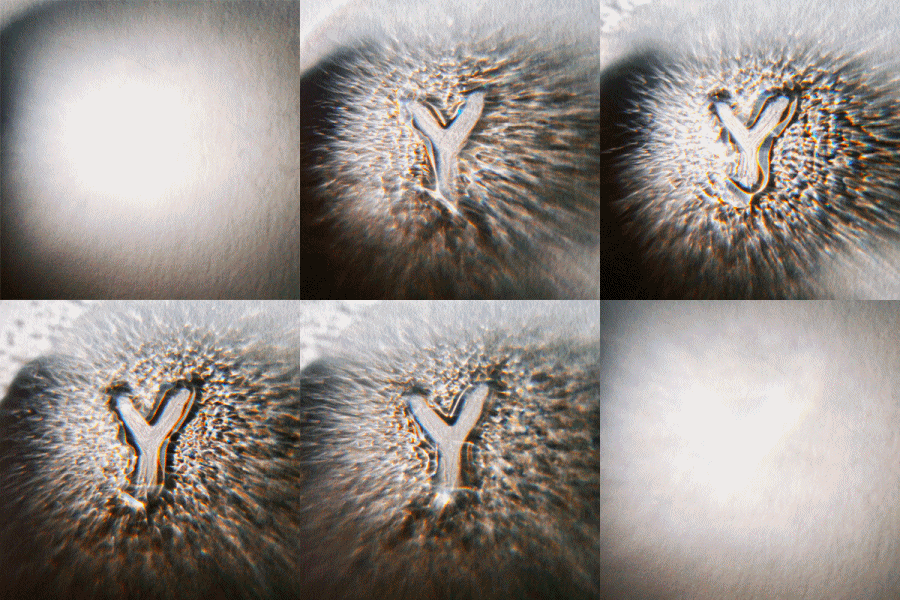
“This is a self-initiated typographic experiment that explores the relationships between upper-case letters and lower-case letters, and also records the transformation between them.
In this experiment, I drew shapes with ink on one or both of my hands, manipulating my gestures into the corresponding shape to signify an upper-case letter. Then, using the same shape on my hands, I manipulated my gesture or changed the perspective through which the shape is viewed in orderto transform the upper-case letter to a lower-case of the same letter. Removingor redrawing the darkened shape on my hands is not allowed in the experiment. The only way to make the model transform from an upper-case to a lower-case (orvice versa) is changing the gestures or the perspectives.
I created 26 sets of these inked shapes and drew them on my hands.Each set is made to create both an upper-case and a lower-case letter, such as A and a. I also created some italic letters, hand-writing letters and some new typefaces with the same shapes”.




Kouichi Okamoto: switch pola museum annex, Tokyo, Japan April 27th – June 3rd, 2012
In an exhibition curated by hexa project for show at the pola museum annex, japanese designer kouichi okamoto of kyouei design created two installation works, both focusing on the idea of the switch’. both works were created with the assistance of pola orbis holdings, and after its exhibition at the pola museum annex, the show will travel to london.
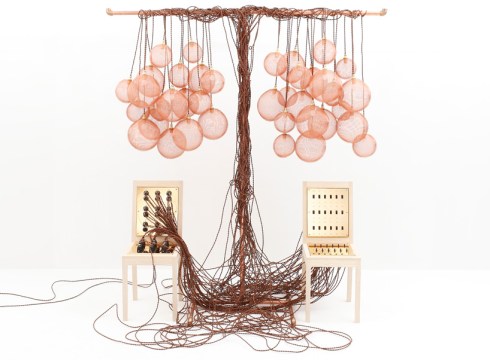
‘Lighting chair’ features two chairs: one whose seat and back plates are dotted with light switches. Electrical cords run from the back of these switches towards the second chair, which is composed of numerous electrical plugs into which the cords run. each plug/switch combination powers a single light out of the many suspended from a T-shaped platform, each encircled by a mesh fabric shade.
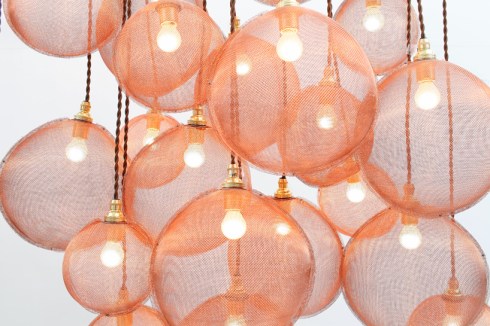
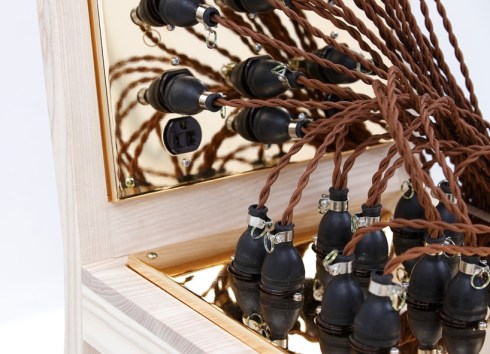


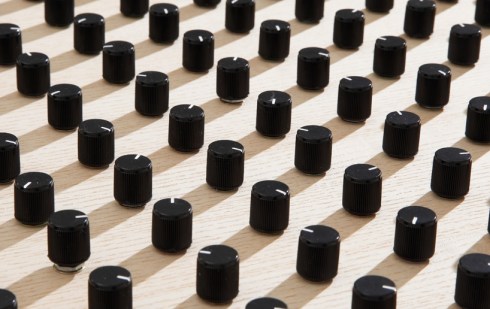
‘Musical table’ involves the installation of 504 volume knobs and 504 music box movements, each of which plays a single sound. The boxes play at random, with their tempo determined by its corresponding volume knob on the table.
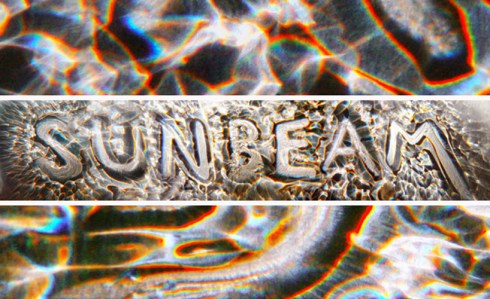
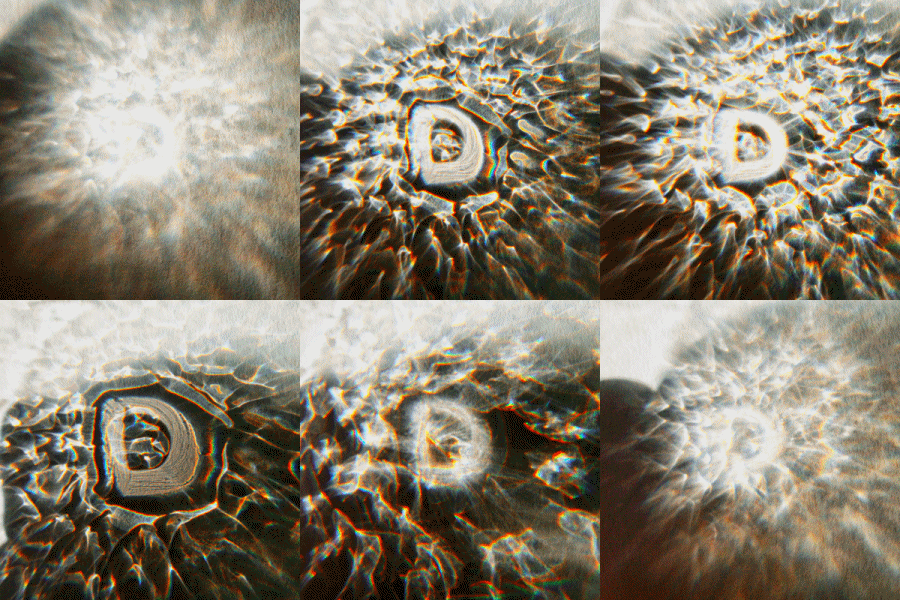
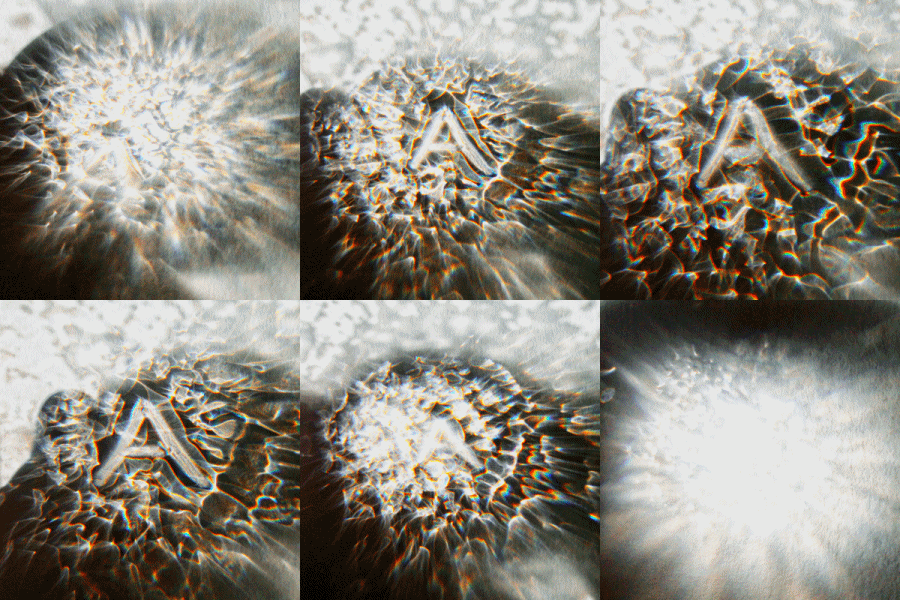
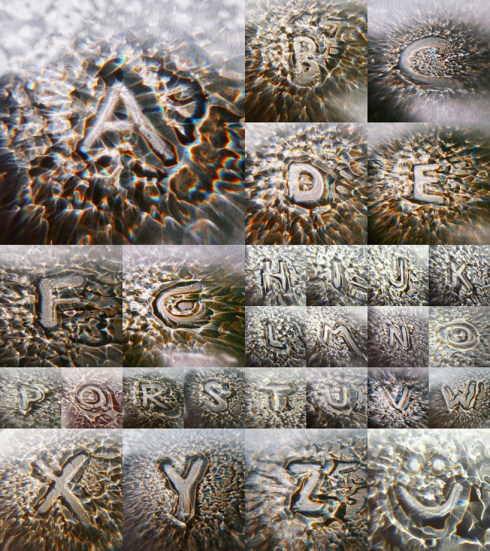
“Khasanov, based in ekaterinburg, russia,has developed an entirely sunlight-formed typeface, shaped through the dispersion of light. this phenomenon is most commonly observed in the occurrence
of a rainbow, displaying the spatial separation of white light into the differing wavelengths– resulting in a notable variation in color. In order to harness this light effect, khasanov first experimented with glass and mirrors as he added water to these reflective media in an effort to create the glittered, rainbow alphabet. in the initial ‘sunbeamtype’ explorations, the designer achieved interesting effects, although he realized he had not quite tapped into the potential for what he had envisioned as a radiant, sunbeam typeface. khasanov tells designboom, ‘I thought of the light dispersion phenomenon (the splitting of the white light into a rainbow). all I needed was to deflect the light by transparent refracting mediums. I’ve used gel by dabbing on a glass and then I draw the letters on with a clean brush. all I had to do was to bring that glass to the sunbeam and to reflect letters by a lens on the background.’ by re-determining the angle and a distance from which the digital camera was positioned to the piece of glass with gel-scrawled type, the designer was able to achieve a fascinating trick of light. It was due to this subtle shift in materials and method that the designer was able to document his sun-formed font”.
 |
 |
 |
 |


The Benefits of Bedford Slims Emulates traditional smoking, without combustion and tar.No smell on clothing or breath.Usable almost anywhere – on the train, in restaurants, bars.Battery lasts for approximately 300 “puffs”.Lithium Ion Rechargeable Batteries increase the life4 pleasant flavours: Tobacco, Menthol, Clove and Dark Roast.30-day return guarantee. Try a Bedford Slims Starter System The Vapourette […]

Pencil vs. Camera’ by Ben Heine image © Ben Heine ‘Pencil vs. Camera’ by ivory coast-born brussels-based photographer ben heine is a series of images that inject hand-drawn pictures within real-life settings to create a composite effect that is often surreal and highly narrative. Manipulating the backdrop to host added elements such as real-life tetris blocks,floating […]

The ‘corner store’ bag collection by cast of vices the ‘corner store’ bag collection by LA-based jewelry designers cast of vices offers an upscale interpretation of everyday plastic bags. All pieces in the line are composed of lambskin leather and are hand sewn and hand embossed. their designs, however, are replicas of four plastic bag […]

Over his 40-year career as one of India’s most respected photographers, Raghu Rai has captured his native land in good times and bad, richly depicting the increasing complexity of living in what is now one of the world’s most rapidly developing countries. Equally adept at humorously evoking the day-to-day rituals and activities of Indian life […]































 lovevoll.com